


How to Choose Parquet Flooring: A Complete Guide
How to Choose Parquet Flooring: A Complete Guide
2025-10-02

Parquet flooring is not just a floor covering—it is the main style-defining detail of an interior, adding
comfort and elegance to your home. A correctly chosen parquet floor retains its beauty, durability,
and functionality for years. When making your selection, it is essential to considerall technical and
visual factors.
In this article, we will detail the different types of parquet, their pros and cons, and provide you with
practical advice to help you make the right choice.
1. Parquet Thickness
Parquet thickness is one of the main determinants of its durability and service life. The standard
thickness is considered to be 11–15 mm.
11 mm Parquet: This is a relatively thinner option often used in budget projects. It is less durable
against intensive load.
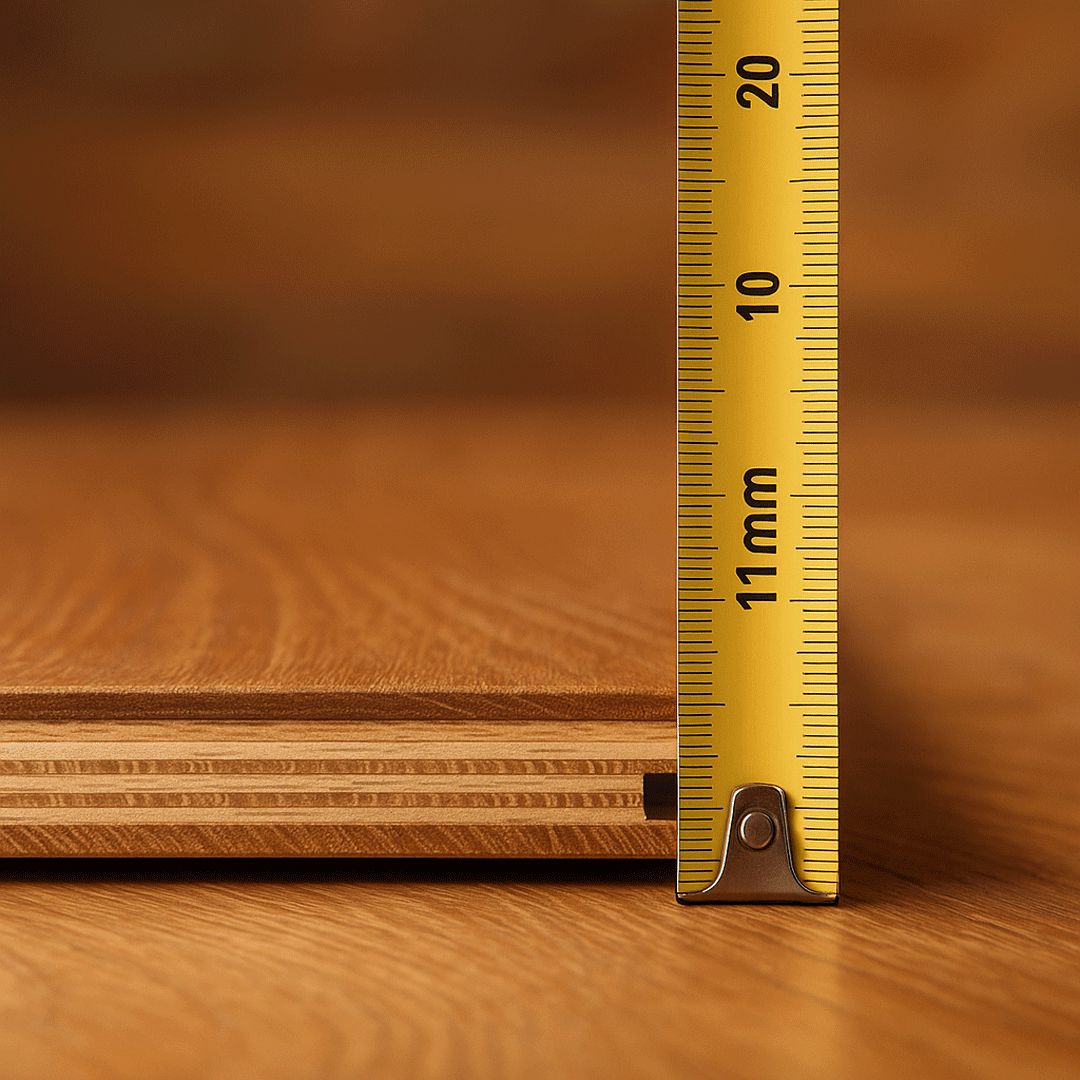
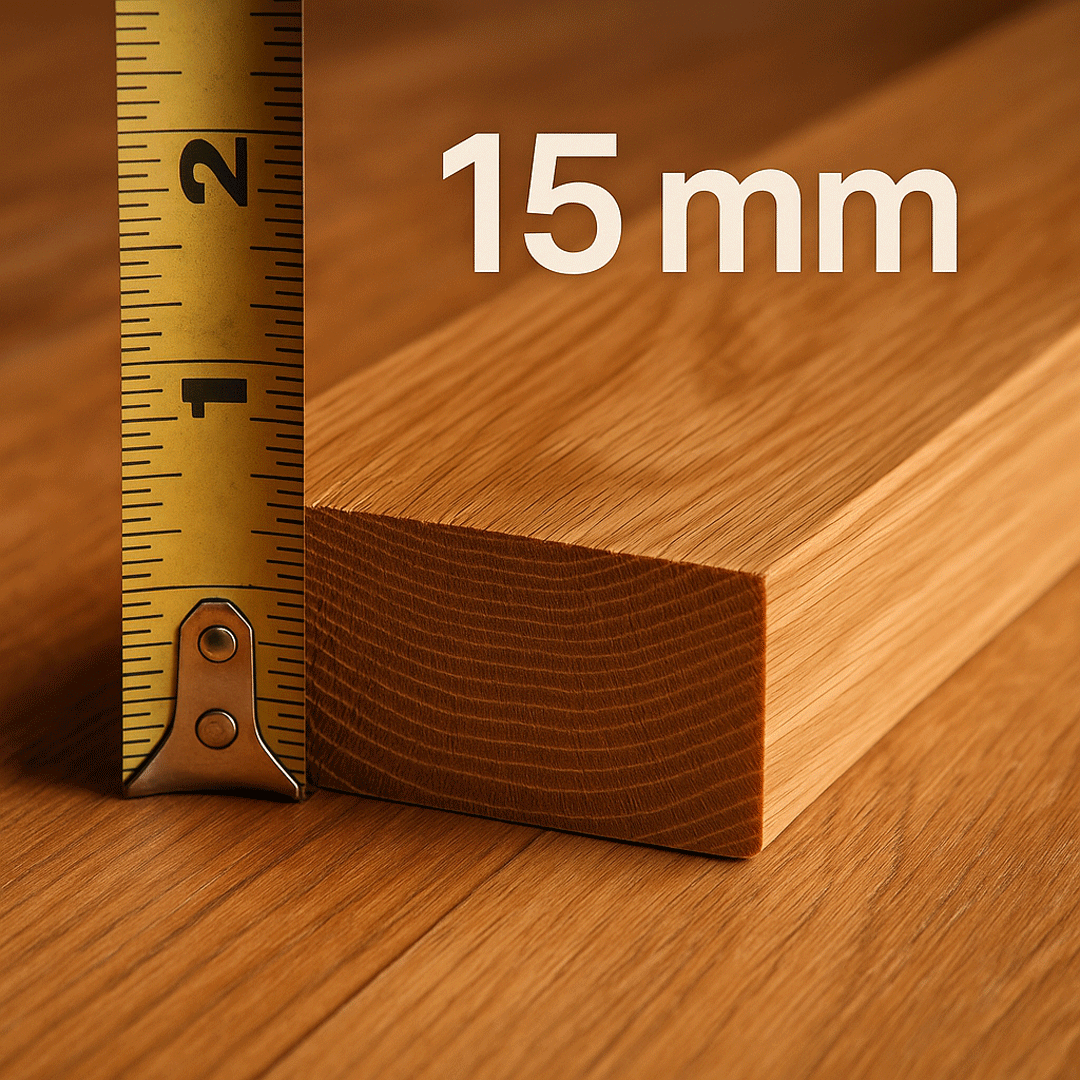
15 mm and 14 mm Parquet: These thicknesses ensure maximum floor stability, sturdiness, and longevity.
They are ideal for high-traffic areas and are highly resistant to daily wear. Although thicker boards require
more expense and their installation is comparatively more difficult, this investment pays off over time
2. Number of Layers
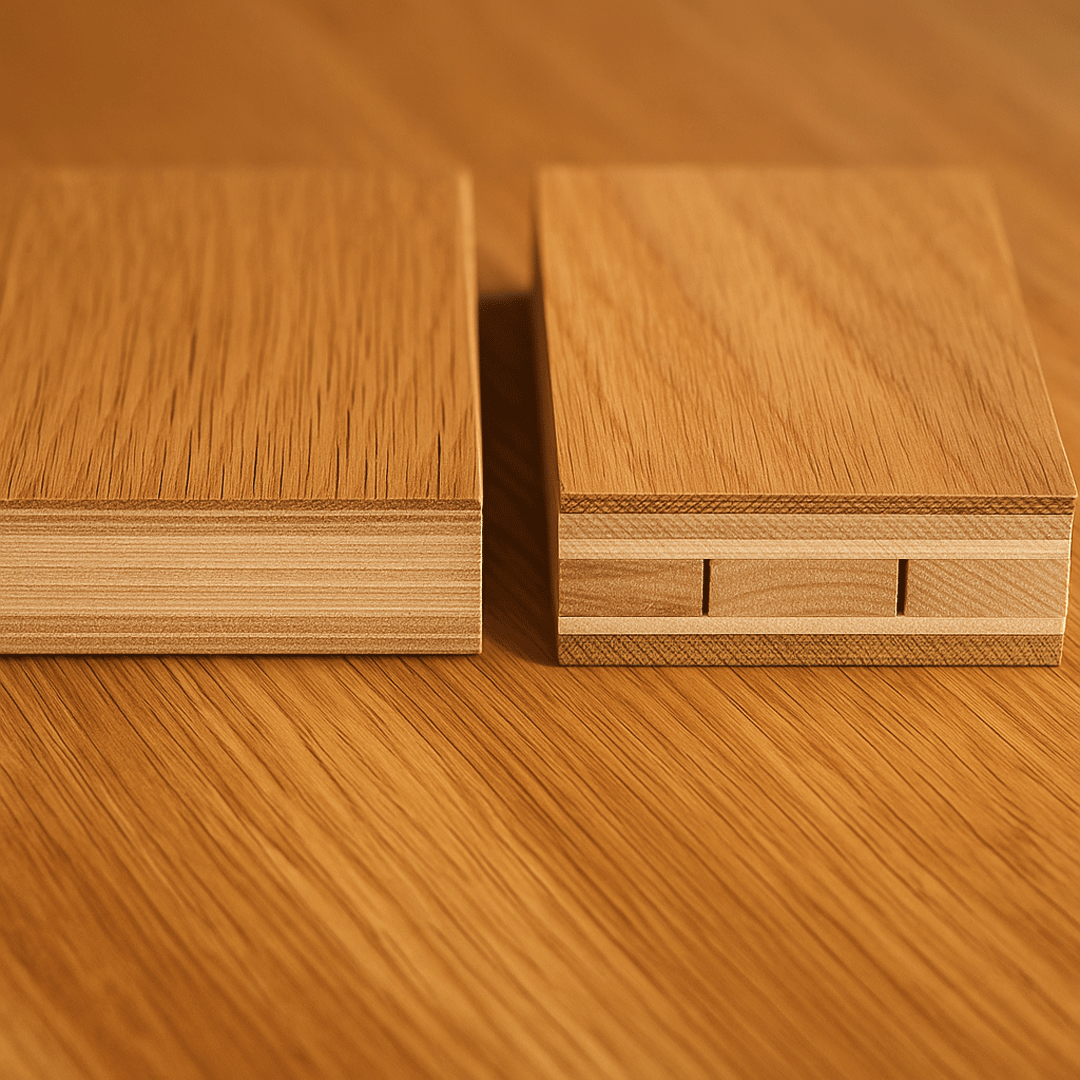
The number of layers in parquet directly affects its stability and durability.
Two-Layer Parquet: Consists of a decorative top layer and a supporting bottom layer.
This option is stable and relatively low-priced, but its lifespan is shorter because it
cannot be refinished (sanded) multiple times.
Three-Layer (Engineered) Parquet: Consists of three layers: a decorative top layer, a middle wood
layer, and a bottom stabilization layer. This construction ensures maximum stability and greater
resistance to moisture. Although its price is relatively higher, three-layer parquet can be refinished
several times, which extends its service life by decades.
3. Surface Material
The surface material of the parquet determines its visual appeal, hardness, and durability. Over
90% of the parquet presented in our assortment is Oak, which is no coincidence.
Oak: Durability, Aesthetics, and Versatility
Oak is the most popular and classic choice for parquet. It is characterized by high hardness, which
makes it exceptionally resistant to wear and damage. The unique structure and natural beauty of oak
make it ideal for any interior style, whether classic or modern. Furthermore, oak parquet has the
highest resistance to moisture, which significantly increases its service life. It balances aesthetics
and durability and truly represents the best choice.
Walnut:
Walnut parquet stands out with rich and warm colors, lending an elegant and cozy look to the
interior. However, compared to oak, walnut is less resistant to wear and may be more easily
damaged over time.
Maple, Beech, and Others:
These species offer a variety of tones but are less resistant to moisture than oak.
4. Top Layer Thickness
The top layer thickness is crucial for parquet refinishing (sanding), which significantly prolongs
its lifespan.
2 mm or 2.5 mm: This top layer can only withstand one or two sandings (renewals).
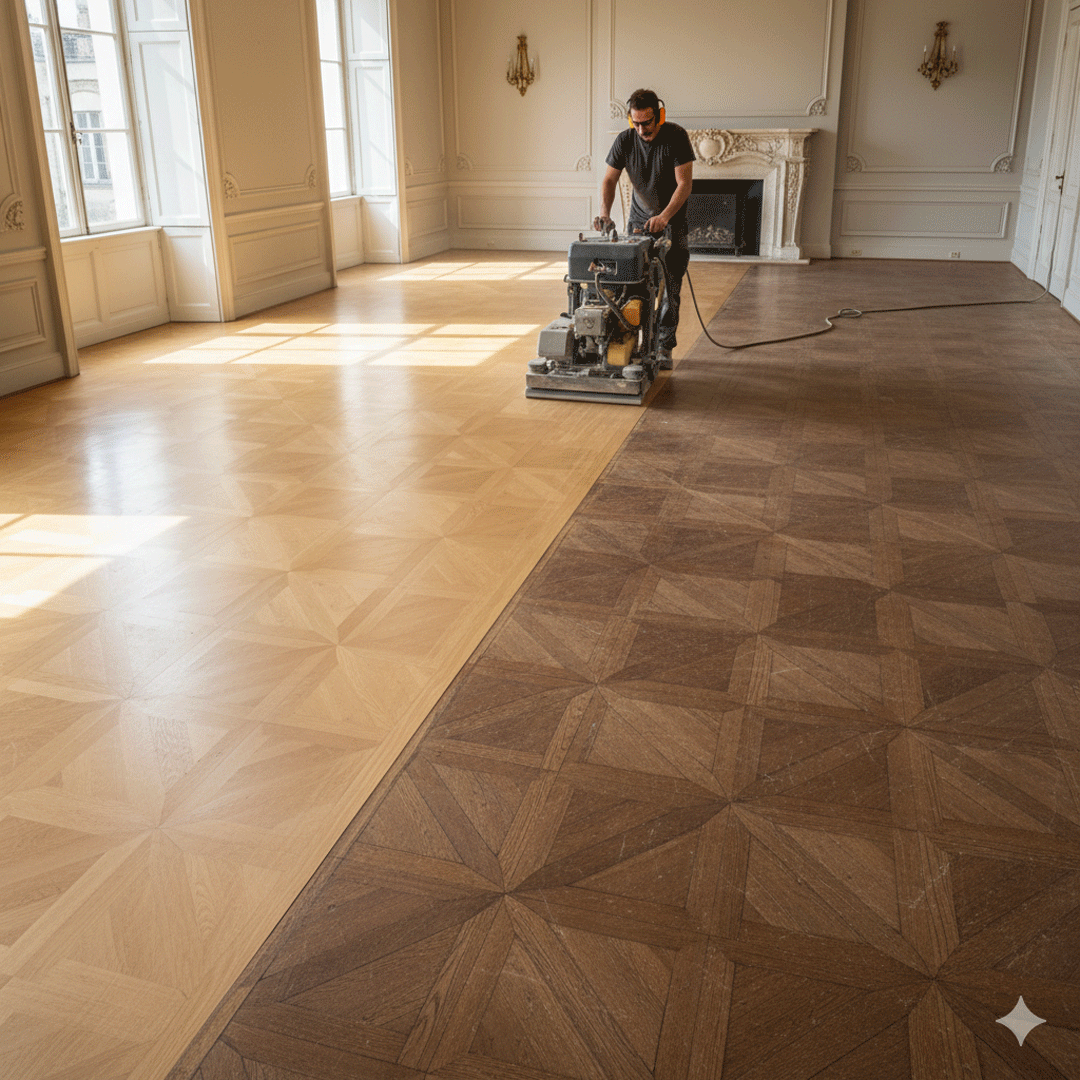
3.5 mm: This thickness allows the parquet to be renewed (sanded) 2–3 times. Practical Advice: Keep
in mind that a 3.5 mm thick top layer, unlike a 2 mm one, extends the lifespan of the parquet by
at least 50%. If you want your floor to last for decades, choose a minimum of a 3.5 mm thick top layer.
5. Construction
Three-Layer Engineered Parquet: The most stable and moisture-resistant option, ideal for modern
apartments and houses.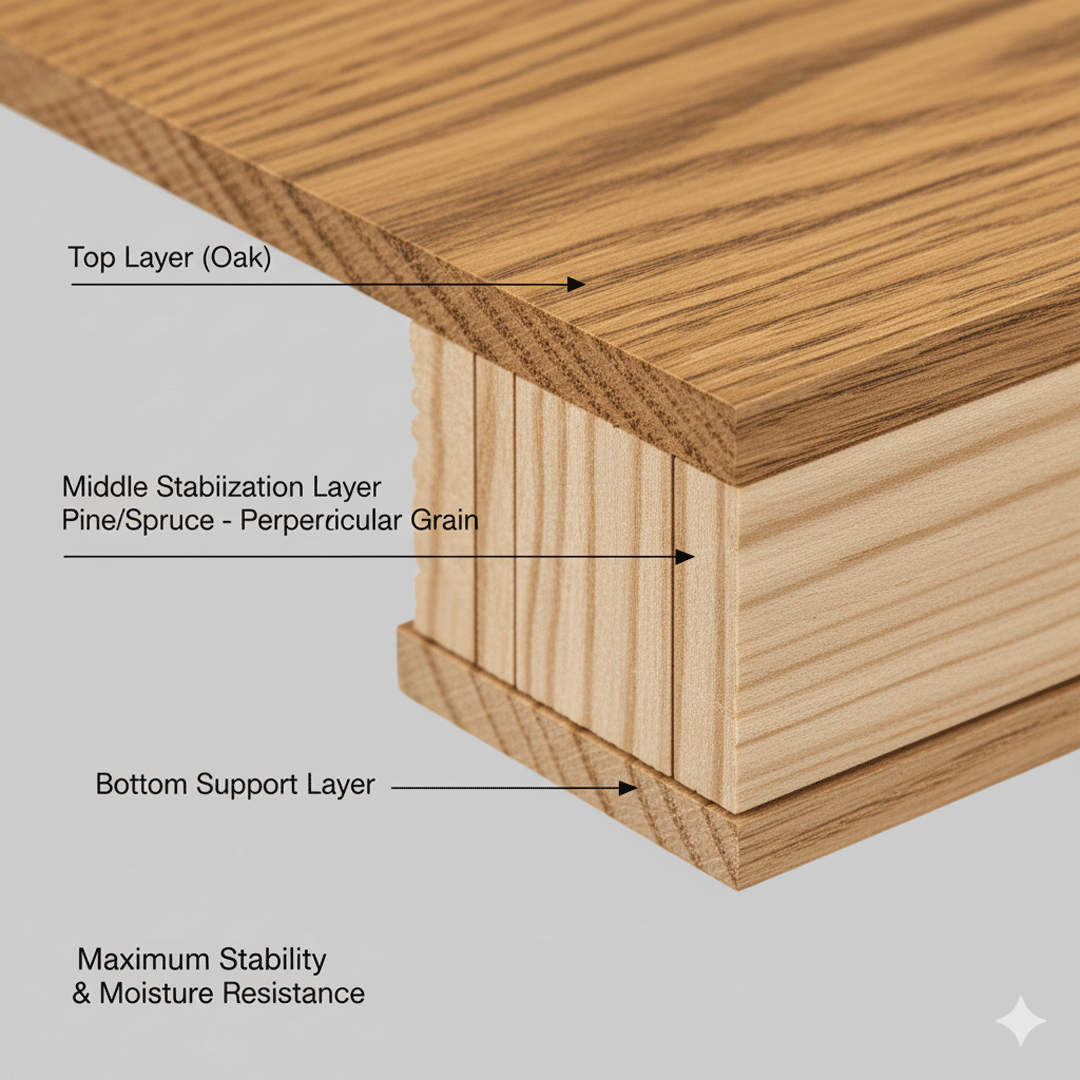
6. Assembly and Installation Methods
Assembly Forms: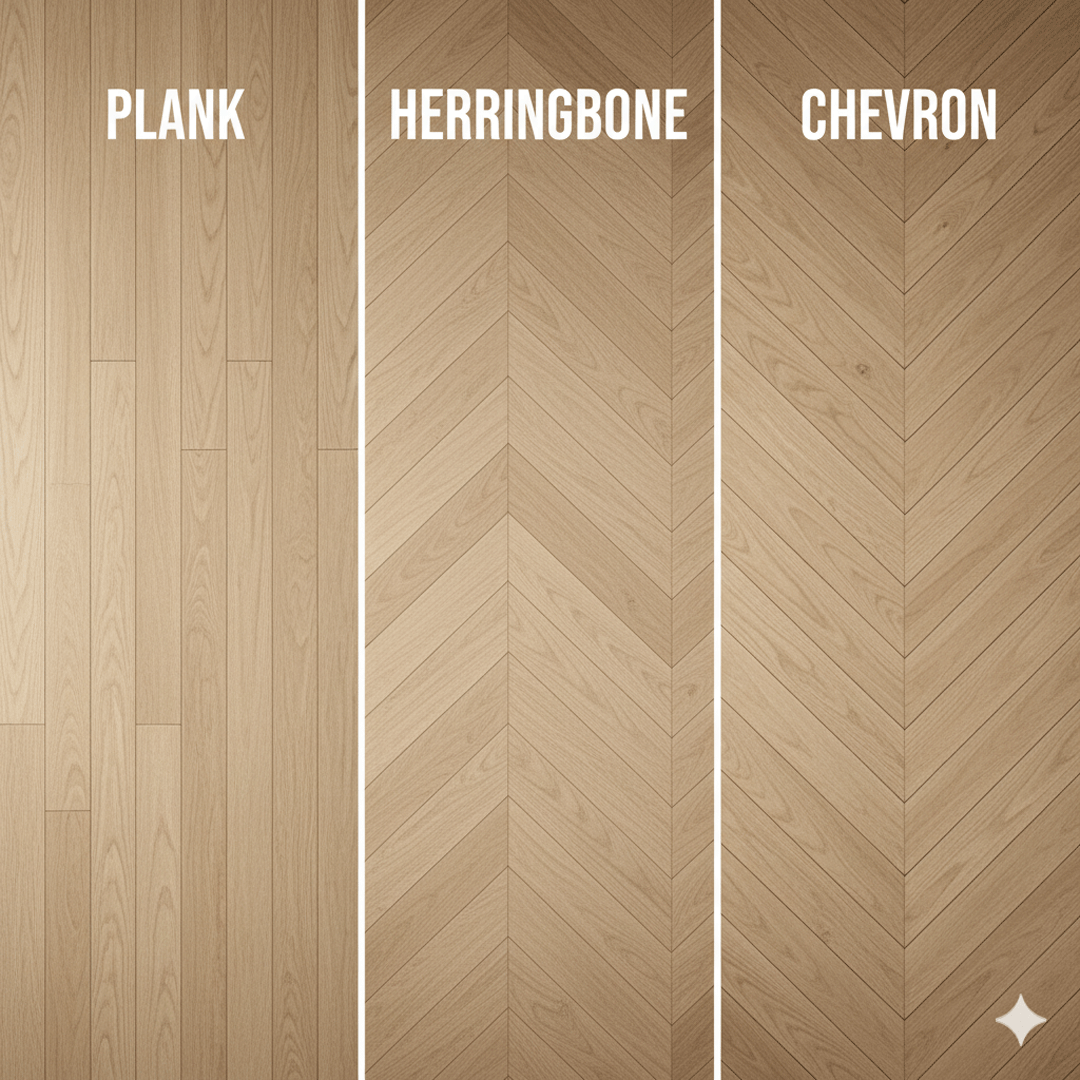
Planks (Straight Line): Simple, modern assembly for lovers of symmetrical design.
"Yolochka" (Herringbone, Chevron): Classic, elegant, and visually rich for luxurious interiors.
Installation Methods:
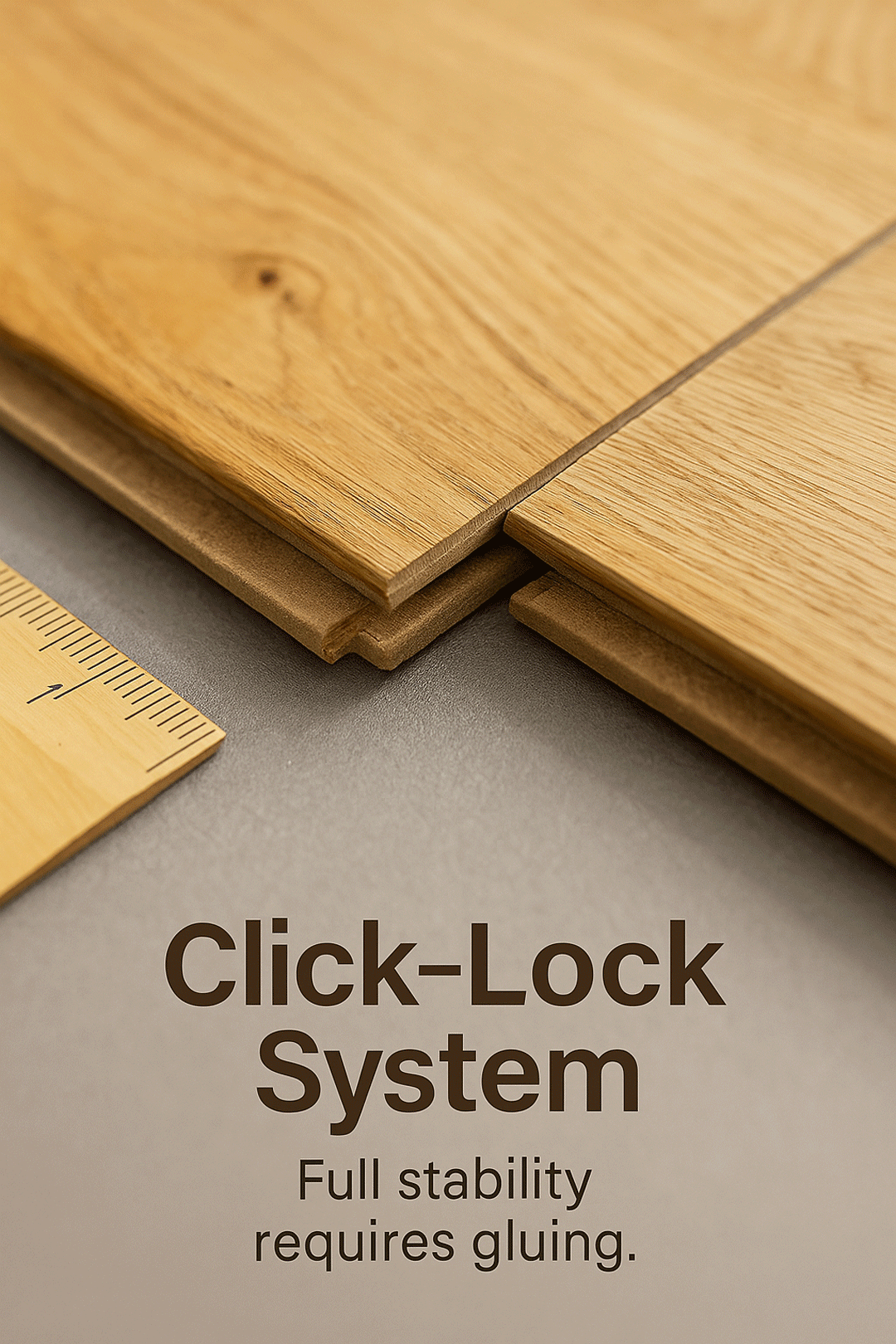
Click-Lock (Click): This method is often chosen for quick and easy installation, ideal for temporary
residences or for those performing the work themselves. However, it is important to know that despite
the locking system, unglued parquet eventually starts to move and wobble. Our recommendation is
that all types of parquet, including click-lock, should be glued for maximum stability and longevity.
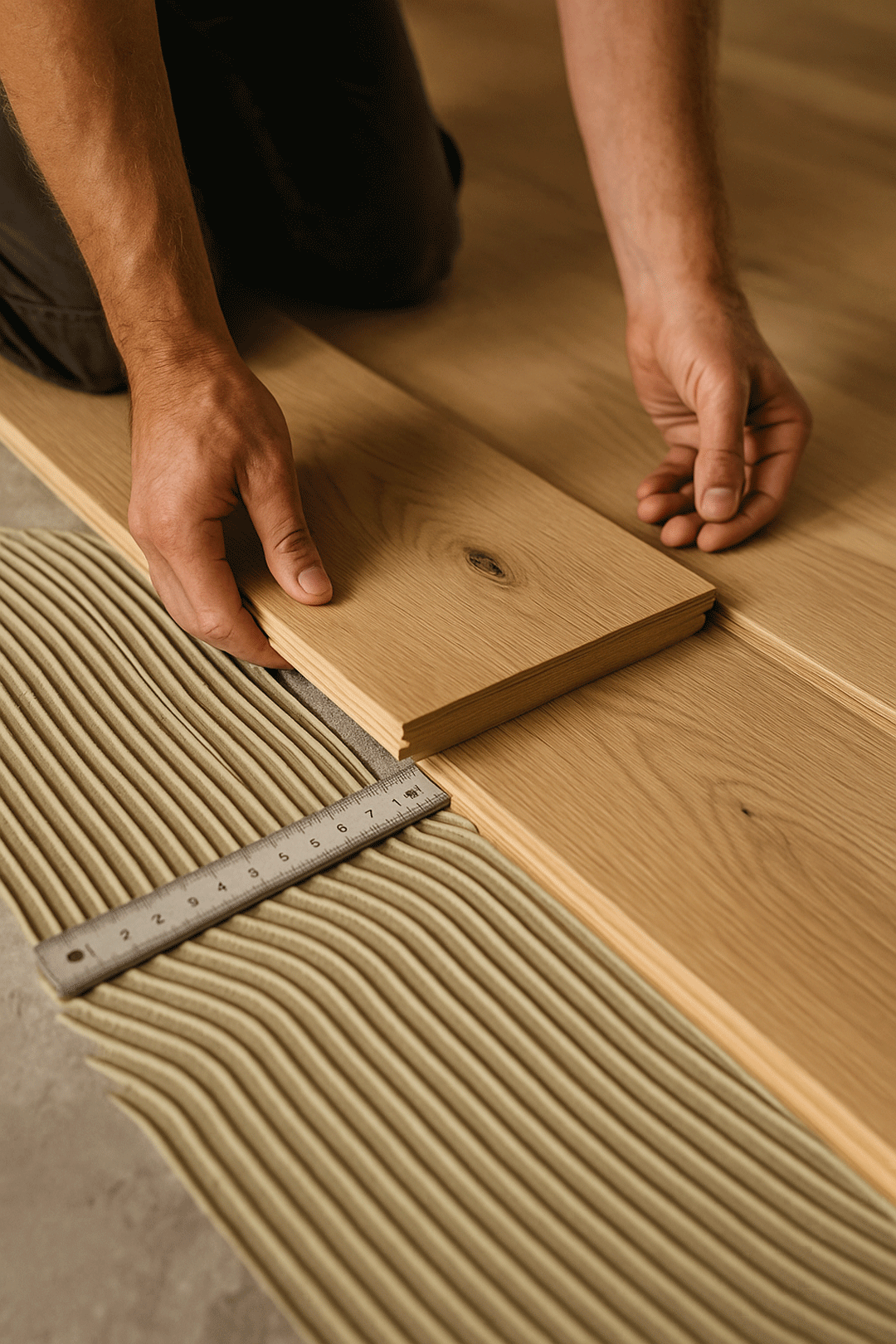
With Glue: This method ensures maximum stability and is ideal for large spaces. Glued parquet does
not move, which significantly increases its durability and aesthetic value.
Tips for Making the Right Choice
Space Type: For high-traffic areas, such as the living room or hallway, choose thick and
multi-layered parquet.
Moisture: For kitchens and other spaces where humidity frequently changes, three-layer engineered
parquet is the best choice.
Budget: Two-layer parquet is a more economical option, while solid parquet belongs to the premium
class.
Style: Choose a color and texture that will be in harmony with the other elements of the interior.
Conclusion: Selecting Parquet at Gallery Demas
Choosing parquet is not just a matter of color. Its structure, number of layers, top layer thickness,
and installation method are important. A correctly chosen parquet floor will not only make your
interior elegant but will also retain its original look for years.
If you need professional consultation and the highest quality parquet brands, such as Parador და Boen,
Gallery Demas will help you. Here, you will find European-made parquet that meets the highest standards
and will satisfy even the most sophisticated taste. The assortment presented at Gallery Demas allows
you to find the ideal floor covering for your home.
Gallery Demasi - Your Source of Inspiration.